
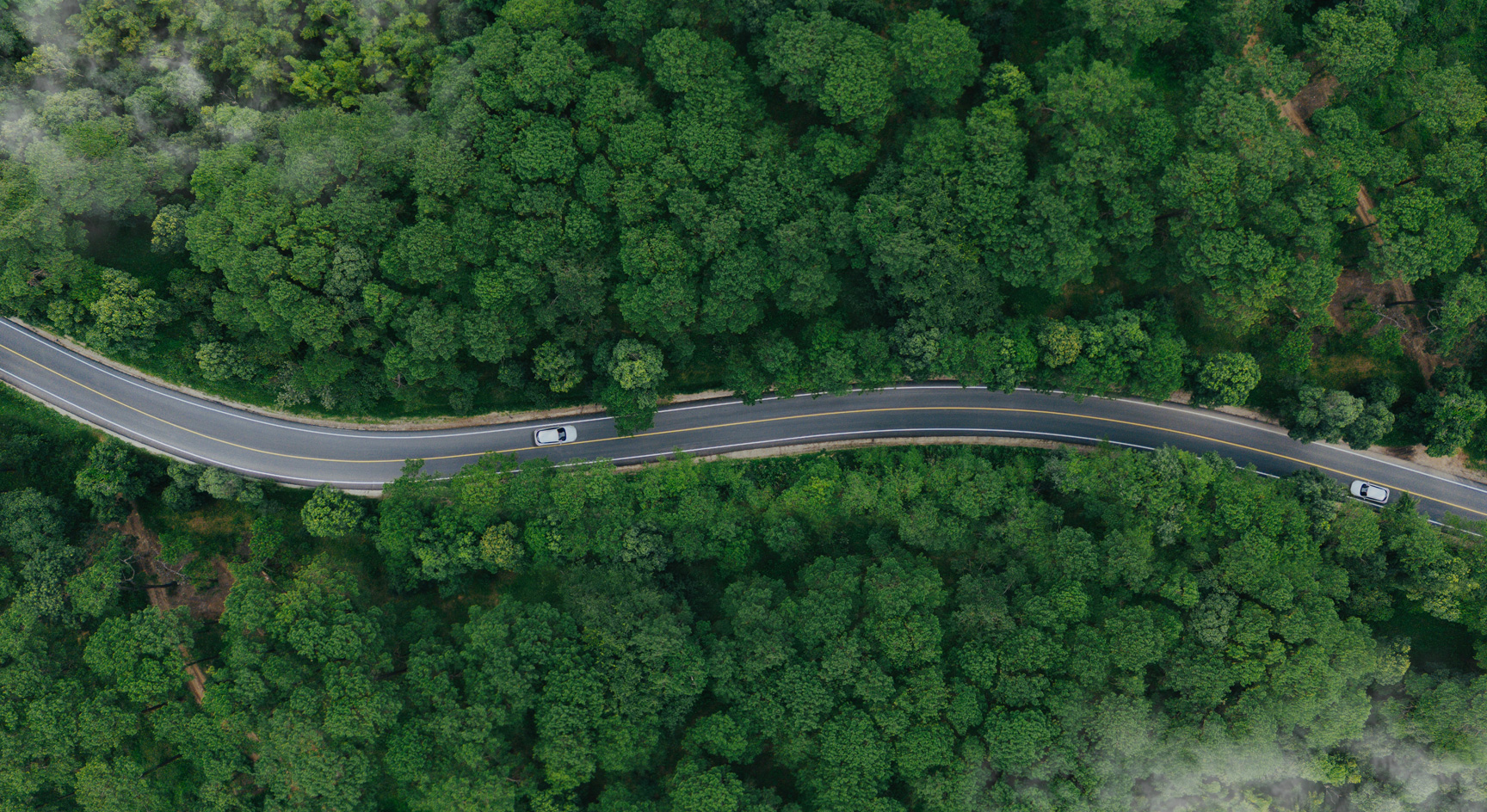
Decarbonisation is central to our environmental strategy as we advance towards net-zero emissions by 2047 through cleaner energy and more efficient operations. We combine innovation with robust, certified management systems to reduce impact at scale. Continuous monitoring and compliance-driven processes ensure accountability and measurable environmental progress across all our operations.
Climate & Energy
Key indicators reflecting Jindal Steel’s progress towards decarbonisation & energy efficiency.
2.79 tCO₂e
Per tonne of crude steel
2047
Target year
30% CO₂
intensity reduction by 2030
3,600 TPD
Carbon Capture Capacity
indal Steel has charted a bold decarbonisation roadmap to transform its steelmaking operations into one of the cleanest in the industry. The strategy is anchored in four strategic pillars with their initiatives.
Jindal Steel tracks greenhouse gas emissions across Scope 1, Scope 2, and Scope 3 categories to understand the climate impact of operations and the broader value chain. Emissions are monitored through structured systems aligned with ESG disclosures and reporting standards.
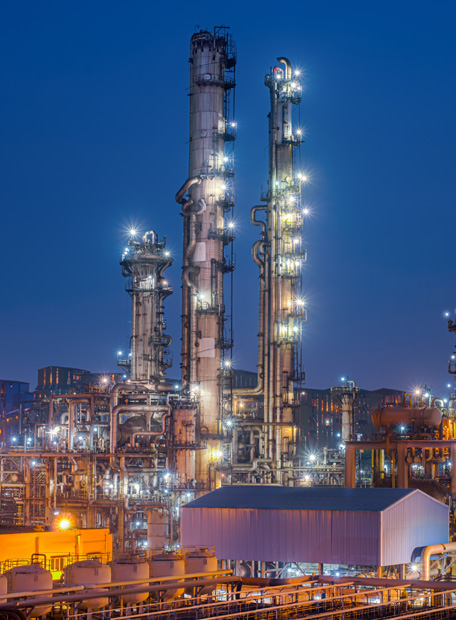
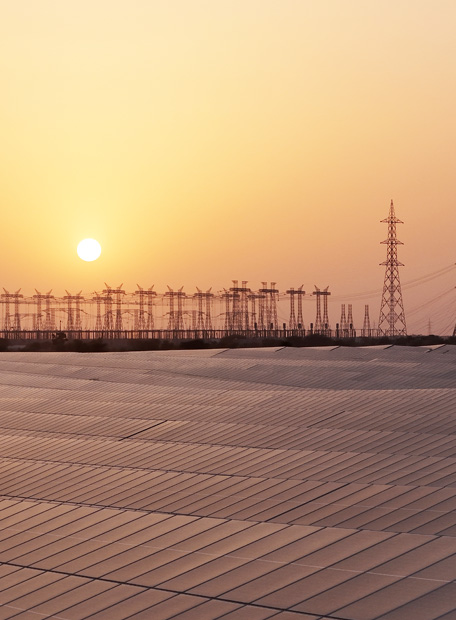
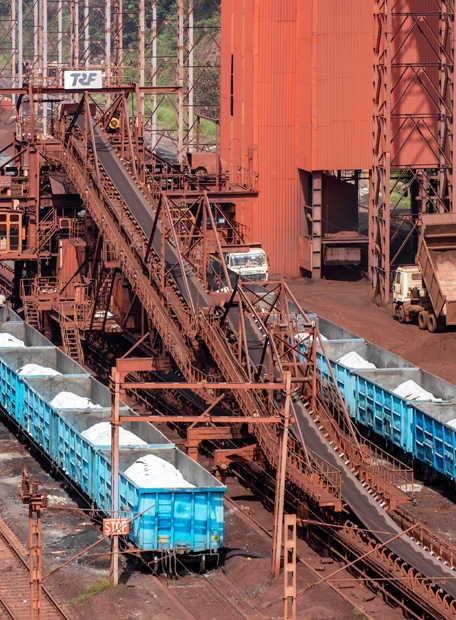
Air emissions across operations are continuously monitored through advanced control systems and compliance-driven processes. Pollutants including SOx, NOx, and ozone-depleting substances are tracked through accredited monitoring mechanisms to strengthen operational control, regulatory compliance, and long-term environmental performance.
Water Management
Jindal Steel focuses on responsible water management through efficient usage, recycling systems, wastewater treatment, and long-term operational resilience across manufacturing locations.
Waste & circular Economy
Guided by the principles of the circular economy and the 4Rs i.e. Reduce, Reuse, Recycle and Recover, Jindal Steel focuses on improving resource efficiency and reducing waste through material recovery, reuse, and responsible disposal practices.
2047 Goals
100% Waste Recycling, Zero Waste to Landfill
Circularity Aim
Jindal Steel’s long-term waste management approach focuses on increasing recycling, reducing landfill dependency, and strengthening circular resource utilisation across operations.
Waste Generated
11,01,277 MT
Total waste disposed.
Landfill Reduction
4,81,927 MT
Waste landfilled
Recovery & Recycling
78.8%
Waste Recycled
Mineral Waste Optimisation
0.27 Mn MT
Mineral Waste Disposed